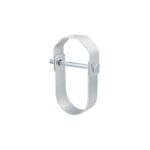
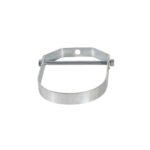
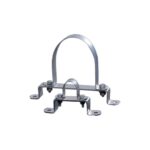
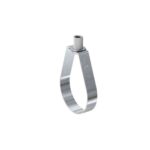
Clevis Hanger / Clevis Clamp – Supplier in Dubai UAE
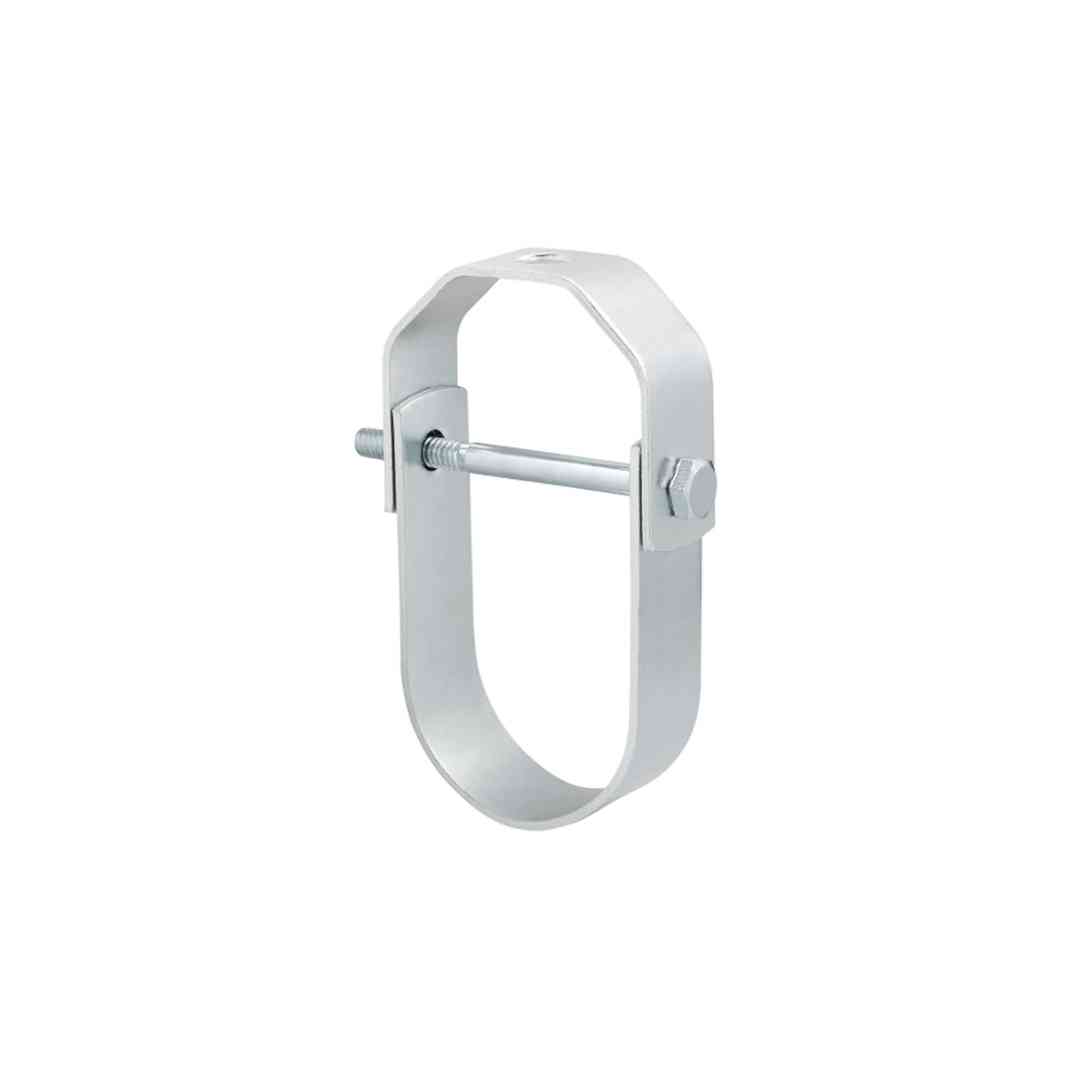
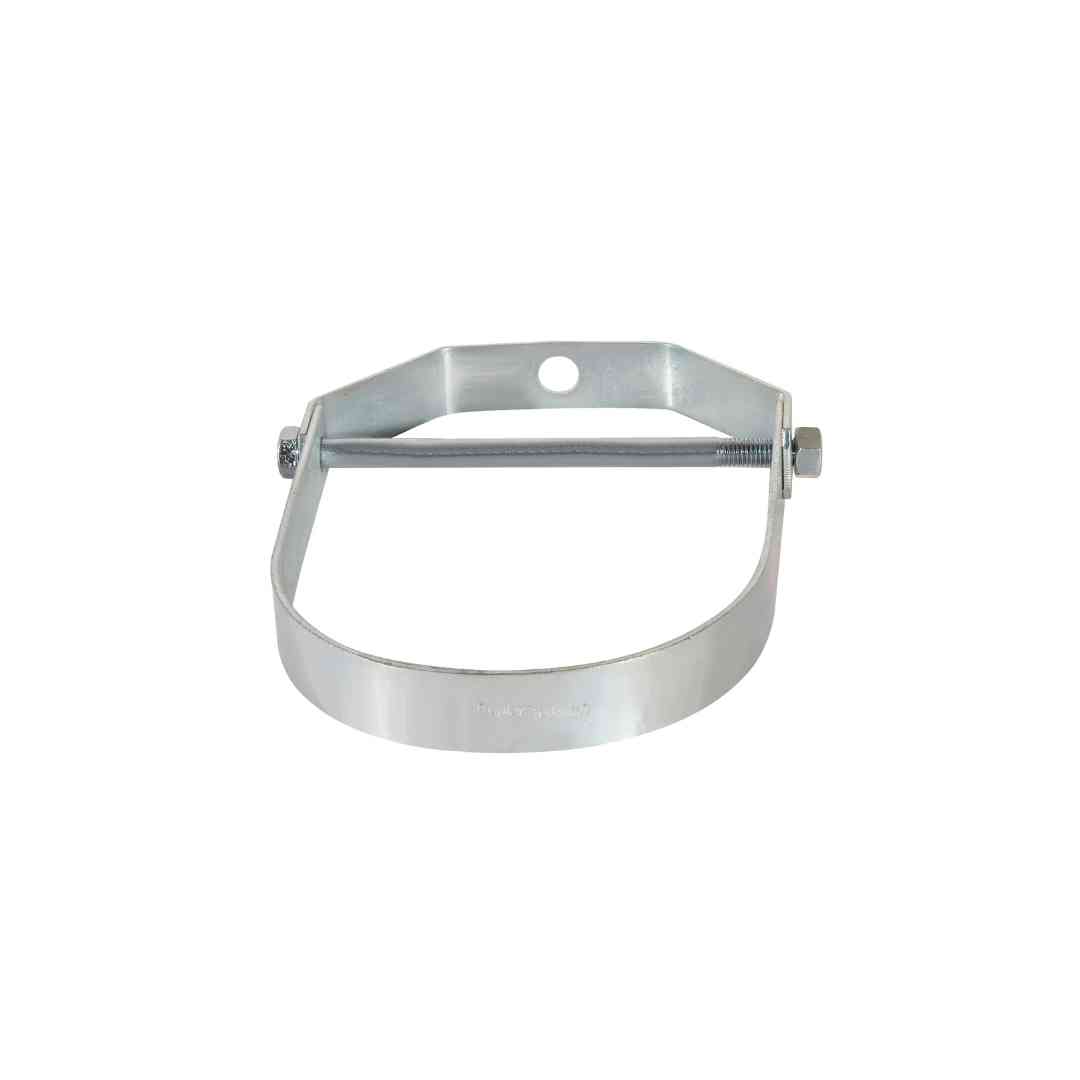
Clevis Clamps are pipe support fittings designed to suspend and secure piping systems in mechanical, plumbing, and industrial applications. The clevis design features a yoke-shaped body with a pin or bolt that allows limited movement to accommodate thermal expansion. Manufactured to ASTM, DIN, and MSS standards, they are available in carbon steel, stainless steel, and heavy-duty alloy steel. Hot-dip galvanized or stainless finishes provide excellent durability and corrosion resistance in demanding environments. They are widely used in HVAC systems, process plants, plumbing networks, and industrial piping installations.
Clevis Clamp – Heavy-Duty Pipe Suspension & Support Solution
A clevis hanger suspends a pipe from overhead structure. The lower U-strap cradles the pipe, the upper yoke takes a threaded rod from the soffit or beam clamp, and a cross bolt joins the two. Because the rod threads through the yoke, the pipe height adjusts after installation, which is why clevis hangers are the default for graded drainage lines and long chilled water runs where level is set at the end, not the start. Unifastener Industries LLC stocks clevis hangers in Umm Al Quwain in the full MEP size range, with the threaded rod and beam clamps that complete the drop.
What we supply
- Standard clevis hangers for 15 mm to 300 mm pipe
- Insulation-size (oversized) hangers that fit around pipe insulation on chilled lines
- Galvanized as standard; SS304 for external and corrosive areas
- Matching threaded rod (M8-M16), beam clamps and anchors for the complete suspension
Sizing the hanger and rod
Order by pipe nominal size, and for insulated chilled water lines order the insulation size so the hanger closes around the insulation, not through it. Rod matching is simple: M10 rod covers most lines up to 100 mm, M12-M16 above that or where spacing between hangers stretches. Send the pipe schedule and we will return hanger sizes, rod diameter and quantities per run.
Standards:
– ASTM A36 / A307 (carbon steel for clamps and fasteners)
– ASTM A123 / A153 (hot-dip galvanizing standards)
– DIN 3567 (pipe clamp fittings)
– ISO 1461 (hot-dip galvanizing for steel products)
– MSS-SP-58 (pipe hangers and supports)
Grades:
– Carbon steel: ASTM A36, A307
– Stainless steel: A2 / A4 (AISI 304 / 316)
– DIN / ISO Grades: 4.6, 5.6, 8.8
Material Options:
– Carbon steel (for general duty)
– Stainless steel (corrosive or marine environments)
– Alloy steel (for heavy-duty applications)
Diameter Range (Pipe Compatibility): 1/2″ to 12″ (DN15 to DN300)
Types:
– Standard clevis clamp (two-piece with clevis pin/bolt)
– Adjustable clevis hanger clamp
– Heavy-duty clevis clamp (reinforced body)
Properties:
– Used for supporting and suspending pipes in mechanical and industrial systems
– Clevis design allows slight movement while maintaining secure support
– Provides stability under thermal expansion and vibration
– Suitable for plumbing, HVAC, and process piping
Coating Options:
– Zinc electroplated
– Hot-dip galvanized (ASTM A153 / DIN EN ISO 1461)
– Powder-coated (black or custom colors)
– Stainless steel natural finish
Add-ons:
– Can be supplied with clevis pin, bolts, and lock nuts
– Compatible with threaded rods and hanger systems
– Certification/load capacity reports available on request
FAQ
Q: What is a clevis hanger used for?
A: Suspending a pipe from a threaded rod with the ability to adjust height afterward. The rod threads through the top yoke, so grading a line is a matter of turning nuts, not refixing hangers.
Q: Is a clevis hanger the same as a clevis clamp?
A: Yes. Clevis hanger is the common trade name; clevis clamp is used interchangeably. Same product, this page.
Q: What size threaded rod goes with each hanger?
A: M10 covers most pipe up to about 100 mm; larger lines take M12-M16. We supply hanger and rod matched.
Q: Do you have clevis hangers for insulated pipes?
A: Yes, insulation-size hangers that close around the insulation on chilled water lines, preventing crushed insulation and condensation points.
Related products
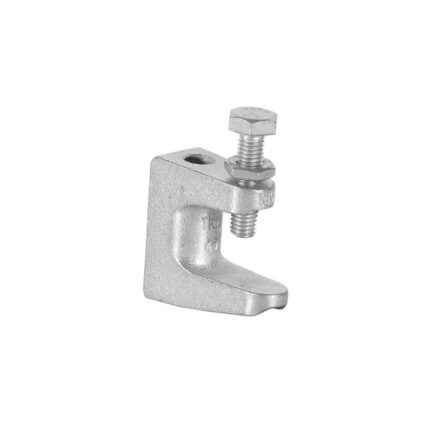
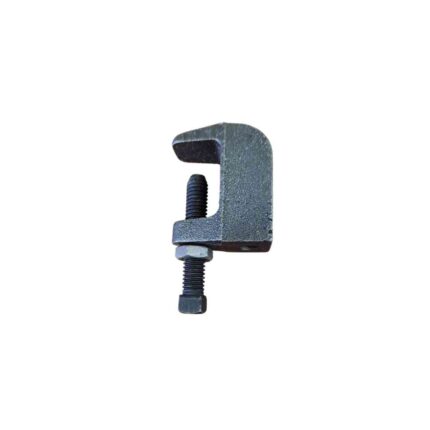
Beam Clamp
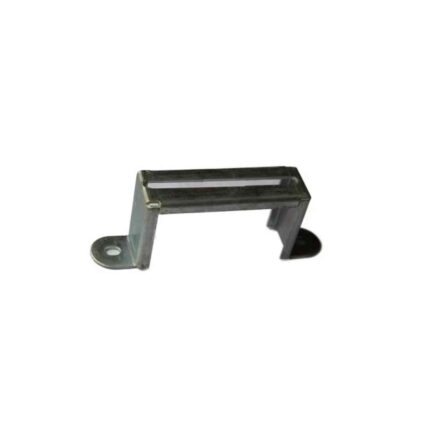
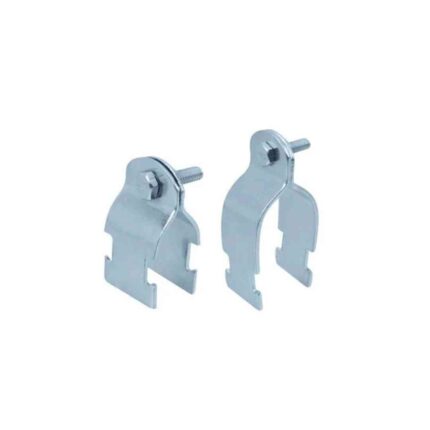
Channel Clamp – Supplier in Dubai UAE
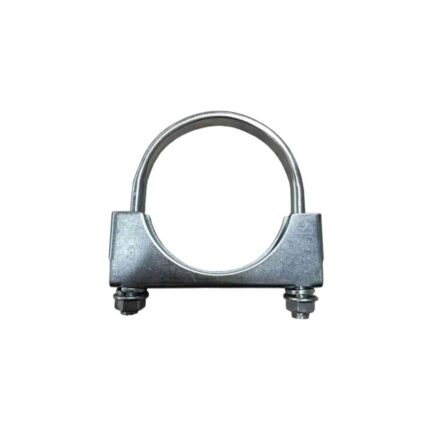
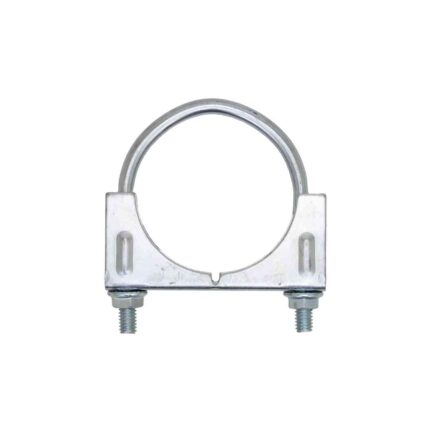
Muffler or Exhaust Clamp
PVC End Cap for Strut Channel
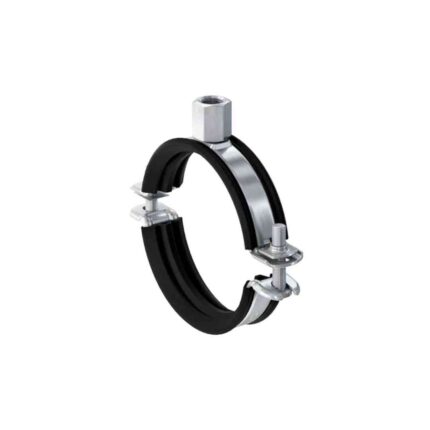
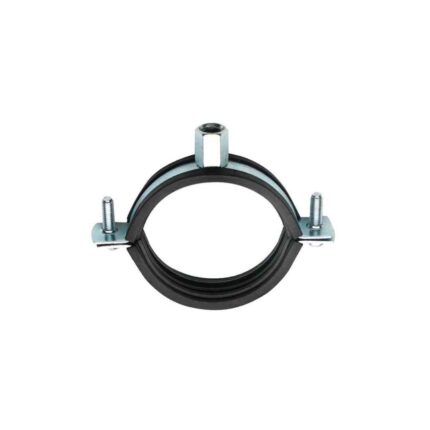
Rubber Clamp
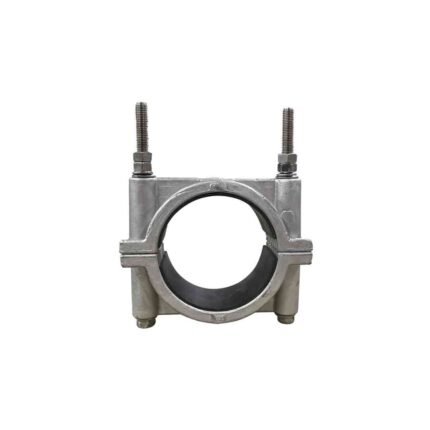
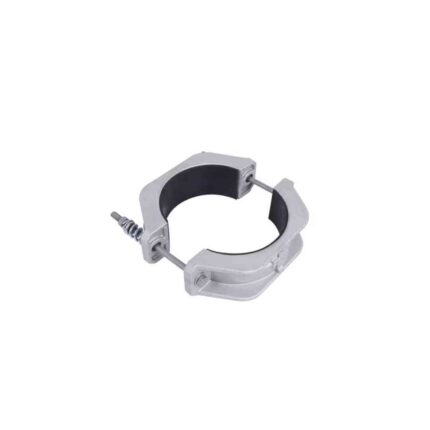
Single Cable Clamp
U Saddle Heavy Duty